

Choosing where to live in the Dallas-Fort Worth area can feel exciting, but it can also feel overwhelming. DFW is one of the largest and fastest-growing metro areas in the country, and it offers a wide range of lifestyles within a relatively short drive. You can live in the middle of downtown Dallas, settle into a tree-lined inner suburb, or move farther out where homes tend to be newer and neighborhoods feel more spread out.
The challenge is that each option comes with trade-offs. Urban living may put you closer to restaurants, offices, nightlife, and cultural attractions. Inner-suburban living may give you a balance of convenience, neighborhood feel, and access to established schools or parks. Outer-suburban living may offer more space, newer homes, and a quieter pace, but it can also mean longer commutes.
There is no single best choice for everyone. The right fit depends on your daily routine, budget, household needs, work location, and long-term plans. Understanding the differences between urban, inner-suburban, and outer-suburban living can help you make a smarter decision before signing a lease or buying a home.
Understanding The DFW Layout
DFW is not built around one single center. Dallas and Fort Worth are the two major anchors, but many surrounding cities have become strong job centers, shopping hubs, and residential destinations of their own. Places like Plano, Irving, Frisco, Arlington, Grapevine, Richardson, Denton, McKinney, and Mansfield all play important roles in the region.
Because of this layout, “close to the city” can mean different things depending on where you work and spend most of your time. Someone who works in downtown Dallas may view Plano as suburban, while someone who works in Legacy West may see Plano as highly convenient. A Fort Worth resident may think of Keller or Burleson as nearby suburban choices, while a Dallas commuter may see them as too far west or south.
Before choosing a location, think of DFW as a network of job centers rather than a simple city-and-suburb map. Your best neighborhood may not be the one closest to downtown. It may be the one closest to your daily life.
What Urban Living Means In DFW

Urban living in DFW usually means living in or near the most active parts of Dallas or Fort Worth. In Dallas, this may include areas such as Downtown, Uptown, Deep Ellum, Oak Lawn, Victory Park, Bishop Arts, Lower Greenville, Knox-Henderson, and parts of East Dallas. In Fort Worth, urban living may include Downtown, West 7th, Near Southside, Cultural District, Magnolia Avenue, and surrounding neighborhoods.
Urban areas tend to offer walkable streets, apartment communities, condos, townhomes, entertainment venues, restaurants, offices, museums, music spots, and coffee shops. For people who enjoy being near activity, this lifestyle can be a strong fit.
Urban living works especially well for those who want shorter drives to downtown jobs, easy access to dining and nightlife, and a lifestyle with less yard maintenance. Many urban residents choose apartments or condos because they want convenience and access over square footage.
The trade-off is cost and space. Urban housing can be expensive per square foot. Parking may come with extra fees. Noise can be part of daily life. You may also have less privacy than you would in a detached home farther from the city center.
Who Urban Living Fits Best
Urban living often suits people who value energy, convenience, and access. It can be ideal for young professionals, empty nesters, frequent travelers, and anyone who wants to spend less time maintaining a home.
It can also work well for people who enjoy being able to walk to dinner, meet friends nearby, or attend events without planning a long drive. If you like having restaurants, fitness studios, bars, arts venues, and shopping close by, an urban neighborhood may feel natural.
That said, urban living is not only for singles or couples without children. Some families choose urban neighborhoods because they want access to private schools, cultural attractions, parks, and shorter work commutes. The key is to look closely at school options, outdoor space, safety, parking, and building amenities before making a decision.
What Inner-Suburban Living Means In DFW
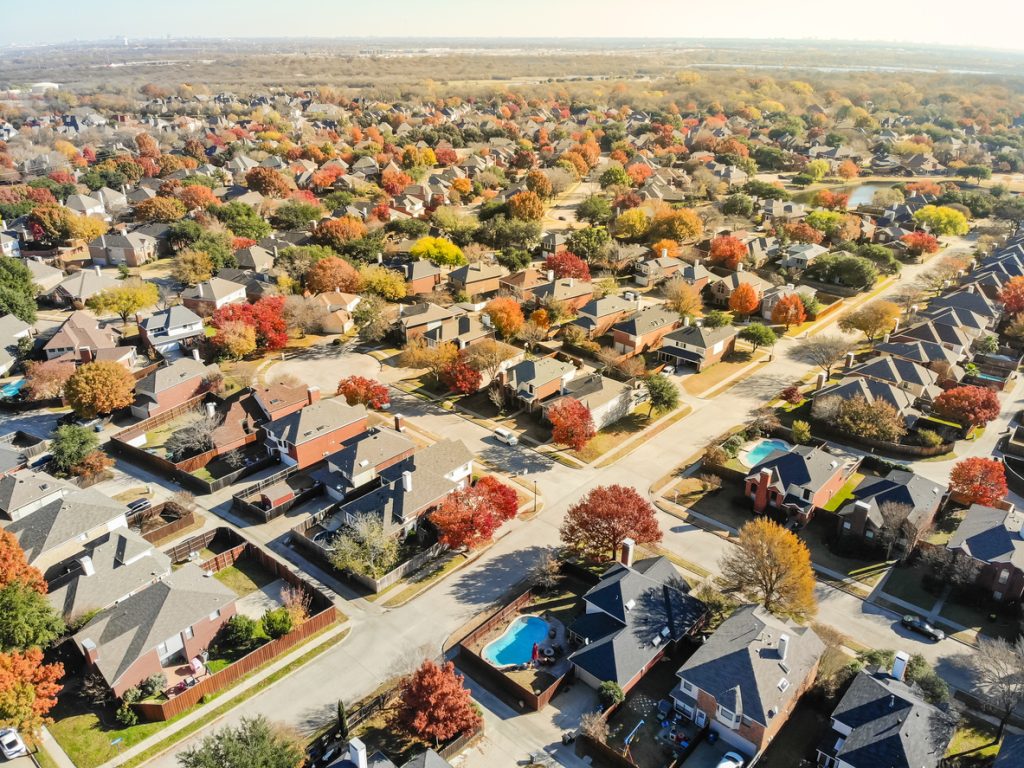
Inner suburbs are communities that sit close to Dallas or Fort Worth but offer a more residential feel. These places are often well-established, with mature trees, older homes, neighborhood parks, shopping centers, and strong access to major highways.
In the Dallas area, inner-suburban options may include Richardson, Garland, Farmers Branch, Addison, Carrollton, Mesquite, Irving, University Park, Highland Park, and parts of North Dallas. In the Fort Worth area, examples may include Hurst, Bedford, Euless, Haltom City, Benbrook, White Settlement, and parts of Arlington.
Inner suburbs can provide a practical middle ground. You may get more space than you would in an urban apartment, but you may still be close to major employment centers, restaurants, hospitals, schools, and airports.
This category can be especially appealing because many inner suburbs have character. Homes may vary by decade, street layout, and neighborhood style. Some areas have mid-century homes, ranch houses, townhomes, apartments, and newer infill development all within a short distance.
Why Inner Suburbs Appeal To Many Buyers And Renters
Inner-suburban living gives many people a useful balance. You can often enjoy a quieter street while staying close to the action. You may have a yard, a garage, and more storage, but still avoid the longest commutes in the metro area.
These areas can also be attractive for people who want access to both Dallas and Fort Worth, especially in the Mid-Cities area between the two. Places like Irving, Euless, Bedford, and Arlington can be convenient for airport workers, corporate employees, and households with jobs on opposite sides of the metroplex.
Inner suburbs may also offer a broader range of price points. You might find apartments, older starter homes, renovated houses, duplexes, and townhomes. This variety can make them practical for first-time buyers, renters, families, and downsizers.
The main drawback is that housing condition can vary widely. Older homes may need updates to plumbing, electrical systems, windows, roofs, or foundations. Some neighborhoods may have heavy traffic due to highway access. Others may feel less walkable than urban areas, even if they are close to restaurants or shopping.
What Outer-Suburban Living Means In DFW

Outer suburbs are farther from the central cities and often reflect DFW’s newer growth. These areas may include Frisco, Prosper, Celina, McKinney, Little Elm, Forney, Rockwall, Fate, Wylie, Mansfield, Midlothian, Aledo, Weatherford, Haslet, and parts of North Fort Worth.
Outer-suburban communities often appeal to people looking for newer homes, larger floor plans, master-planned neighborhoods, larger lots, and access to newer schools, parks, trails, and retail centers. Many of these areas have grown quickly, and that growth has brought shopping, restaurants, medical offices, entertainment venues, and business campuses.
A common reason people choose outer suburbs is space. You may find a larger home for the money compared with central Dallas, central Fort Worth, or highly sought-after inner suburbs. Newer construction can also mean modern layouts, larger kitchens, bigger closets, energy-efficient features, and community amenities.
The trade-off is distance. If your job is in downtown Dallas, Uptown, Las Colinas, or central Fort Worth, your commute could become a major part of your day. Traffic can change the entire experience of living farther out.
The Commute Question

Commute time is one of the biggest factors in choosing where to live in DFW. The metroplex is large, and traffic can vary by highway, time of day, weather, school schedules, and construction.
Before choosing a home, test your commute during the actual times you would be driving. A route that looks easy on a Saturday afternoon may feel completely different on a Tuesday morning. Look in both directions too. Some people focus only on the drive to work, then realize the evening trip home is much worse.
Also think about the kind of commute you can tolerate. Some people do not mind a 45-minute drive if they have a comfortable car and a predictable route. Others feel drained by stop-and-go traffic, even if the distance is shorter.
Remote and hybrid work have changed this equation for many households. If you only commute twice a week, an outer suburb may feel manageable. If you drive daily, location may matter much more.
Housing Costs And What You Get For The Money
Housing costs in DFW vary widely by city, school district, neighborhood, age of home, and access to major job centers. In general, urban areas may cost more per square foot, especially in popular districts with strong dining, nightlife, and walkability. Inner suburbs may offer more variety, with both older and renovated homes. Outer suburbs may offer larger homes, newer builds, and community amenities, though prices in some popular outer areas can still be high.
When comparing costs, do not focus only on rent or mortgage payments. Consider the full monthly picture.
Urban living may include paid parking, higher insurance for condos, HOA dues, or building fees. Inner suburbs may come with older-home repairs or higher maintenance costs. Outer suburbs may bring higher transportation costs, toll road expenses, larger utility bills, and HOA fees.
A larger home farther out may look affordable at first. However, the savings may shrink if you spend more on gas, tolls, car maintenance, and time on the road.
Schools And Family Needs

For families with children, schools often play a major role in the decision. DFW has many public school districts, charter schools, private schools, and magnet programs. School boundaries can change, and ratings do not always tell the full story, so research should go beyond a quick online score.
Visit schools when possible. Ask about class sizes, extracurricular programs, special education services, transportation, after-school care, and campus culture. Also consider how long your child would spend getting to and from school each day.
Urban neighborhoods may offer access to private schools, specialty programs, and cultural resources. Inner suburbs may have established districts and shorter routes to activities. Outer suburbs may offer newer campuses, athletic facilities, and growing youth programs.
Family needs also include parks, medical care, childcare, grocery stores, libraries, and safe routes for walking or biking. A home can look perfect online, but the surrounding routine matters just as much.
Lifestyle And Daily Convenience
Your lifestyle should guide your location choice. Think about what you do on a regular week, not only what sounds appealing in theory.
If you eat out often, attend concerts, go to museums, or meet friends after work, urban living may support your habits. If you like a quieter neighborhood but still want quick access to shopping and restaurants, an inner suburb may be a better fit. If you want a large home, a backyard, community pools, trails, and a slower pace, an outer suburb may make sense.
Daily convenience also includes ordinary errands. How far is the nearest grocery store? Is there a pharmacy nearby? Can you reach a gym, doctor, dentist, or vet without a long drive? Are your favorite places on your side of the metroplex, or would you constantly cross town?
The best location should make your normal life easier, not only look good on a map.
Walkability, Driving, And Public Transit

DFW is still heavily car-dependent, but some areas are more walkable than others. Urban districts usually offer the best walkability, especially in areas with apartments, restaurants, offices, and entertainment close together. Some inner suburbs have walkable downtowns or mixed-use districts, such as parts of Grapevine, Carrollton, Richardson, and Plano. Outer suburbs may have trails and neighborhood sidewalks, but errands usually require a car.
Public transit is also uneven across the region. Dallas Area Rapid Transit serves Dallas and several surrounding cities. Trinity Metro serves Fort Worth and some nearby areas. The TEXRail line connects Fort Worth with DFW Airport. The Trinity Railway Express connects Dallas and Fort Worth. Still, many suburbs have limited or no rail access.
If you want to rely less on a car, study transit routes carefully before choosing a neighborhood. Living near a station can help, but you also need to know whether the station connects well to your workplace and daily destinations.
Space, Privacy, And Noise
Space and privacy often increase as you move farther from the urban core. In urban areas, you may live in a building with shared walls, elevators, parking garages, and common amenities. This can be convenient, but it also means more neighbors nearby and less private outdoor space.
Inner suburbs may offer detached homes, townhomes, duplexes, and apartments. Lot sizes vary, and neighborhood noise depends on street location, nearby highways, schools, and commercial areas.
Outer suburbs often provide larger homes and more separation between households, although master-planned communities can still place homes fairly close together. Larger lots may be available farther out, especially beyond the fastest-growing suburban corridors.
Think honestly about what you need. Some people feel energized by a lively street. Others need a quiet home office, a yard for pets, or extra bedrooms for family. Your tolerance for noise and closeness should be part of the decision.
Home Maintenance And Long-Term Responsibilities
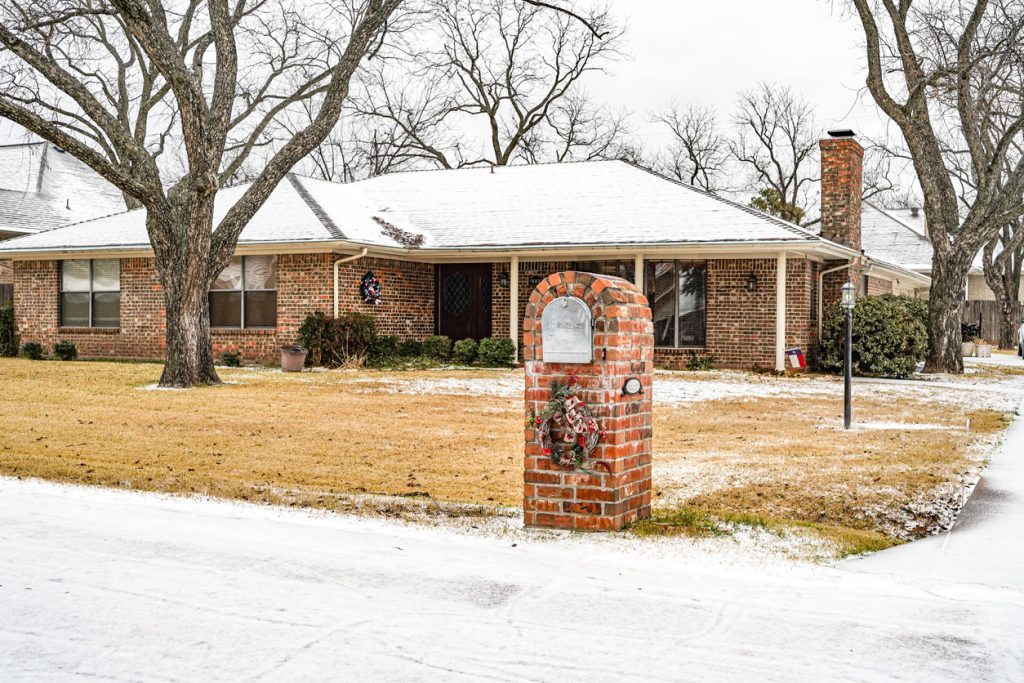
Housing type affects your lifestyle as much as location does. An urban apartment may require little maintenance. A condo may reduce exterior upkeep but add HOA rules and fees. A single-family home may provide more freedom, but it also brings responsibilities.
In inner suburbs, older homes may have charm and solid construction, but they may need updates. Foundation issues, aging HVAC systems, old sewer lines, and dated insulation can become expensive. A thorough inspection is especially important if you are buying.
Outer-suburban homes may be newer, but they are not maintenance-free. Larger lawns, irrigation systems, fences, roofs, and HVAC units still require care. New neighborhoods may also have HOA rules about landscaping, parking, exterior changes, and rentals.
Before choosing a home, ask yourself how much maintenance you want to handle. A low-maintenance lifestyle may be worth paying for if your schedule is already full.
Future Growth And Resale Value
DFW continues to grow, and growth can affect your quality of life. New highways, shopping centers, schools, business campuses, and residential developments can raise property values and improve convenience. Growth can also bring construction, traffic, crowded schools, and changing neighborhood character.
Urban neighborhoods may benefit from redevelopment and new amenities, but they can also face rising costs and parking pressure. Inner suburbs may gain value as buyers seek shorter commutes and established neighborhoods. Outer suburbs may grow quickly, which can create opportunity and strain at the same time.
If you are buying, think about resale. Look for signs of long-term demand, such as job access, school reputation, transportation routes, nearby retail, and neighborhood upkeep. Also check future land use plans when possible. An empty field behind a subdivision may not stay empty forever.
How To Compare Your Options

A simple comparison can help you avoid choosing based only on emotion. Make a short list of what matters most to your household. Then rank each area against those needs.
Useful factors include:
- Commute time during real traffic hours
- Total monthly housing and transportation costs
- School options and childcare access
- Home size, yard space, and storage
- Walkability and access to restaurants or shopping
- Noise level and privacy
- Safety, comfort, and neighborhood upkeep
- Long-term growth and resale potential
Try to visit each area at different times of day. Morning, evening, and weekend visits can reveal traffic patterns, noise, parking, and neighborhood activity. A place that feels calm at noon may feel very different after work hours.
Matching The Location To Your Life Stage
Different life stages can point toward different locations. A young professional may prefer an urban apartment close to work and entertainment. A growing family may value schools, bedrooms, and parks. A downsizer may want convenience without the upkeep of a large house. A remote worker may prioritize office space and quiet over commute distance.
Life stage does not decide everything, but it can clarify your needs. Think about the next five years, not only the next few months. Will your household grow? Will your job change? Do you plan to buy it soon? Do you expect to travel often? Will aging parents or extended family need to be nearby?
The right DFW location should support both your current routine and your likely next chapter.
Final Thoughts
Choosing between urban, inner-suburban, and outer-suburban living in DFW comes down to priorities. Urban areas offer energy, convenience, and access, but often with higher costs and less space. Inner suburbs offer balance, established neighborhoods, and practical access to major job centers. Outer suburbs offer room to grow, newer homes, and a quieter feel, but distance and traffic can become real factors.
The smartest choice is the one that fits your daily life. Look beyond the listing photos. Drive the commute. Visit the grocery store. Walk the neighborhood. Check the school route. Study the full cost, including transportation and maintenance.
DFW gives you plenty of options, which is both the challenge and the advantage. Once you understand how each lifestyle works, you can choose a location with more confidence and fewer surprises.