

Dallas-Fort Worth is full of famous landmarks. People know the Stockyards, Dealey Plaza, Fair Park, and the downtown skylines. Yet some of the area’s most interesting history sits in quieter places. You may pass them during a normal drive, walk near them without noticing, or see them listed on a map without realizing how much they reveal about North Texas.
These hidden history spots tell stories about early settlers, Black communities, prairie landscapes, old farms, frontier life, and even a secret gambling scene. They help explain how Dallas-Fort Worth grew from prairie land and small communities into one of the largest metro areas in the country.
Freedman’s Cemetery Memorial in Dallas
Freedman’s Cemetery is one of the most meaningful historic sites in Dallas. It was established in 1861 as a burial ground for Dallas’s early African American population. The City of Dallas describes it as one of the largest Freedman cemeteries in the country. It also connects to the once-thriving North Dallas community, which served as a major center of Black life in the city from the Civil War era into the 20th century.
The site is easy to miss because it sits near North Central Expressway, surrounded by modern traffic and development. That contrast makes it even stronger. A visitor standing there can see how much Dallas changed around a place that carries deep memories.
The cemetery’s history also shows how urban growth can erase important spaces. Highway construction and later development disrupted the area, but preservation efforts helped protect what remained. The cemetery received a Texas Historical Marker in 1993, and community members worked with the City of Dallas and the Texas Department of Transportation to preserve the site before highway expansion.
Today, the memorial gives visitors a quiet place to reflect. It is a reminder that Dallas history includes communities whose stories were often pushed aside, yet still shaped the city.
Heritage Farmstead Museum in Plano

Susan Bartley, Ammie Wilson House, CC BY-SA 3.0
Plano is often associated with corporate campuses, shopping centers, and fast-growing neighborhoods. The Heritage Farmstead Museum offers a different view of the area. It preserves North Texas agricultural history through an 1891 Victorian home, barns, outbuildings, exhibits, and programs focused on life on the Blackland Prairie from 1891 to 1939.
This site helps visitors understand what Collin County looked like before suburban development changed the landscape. The farmstead shows how families worked, cooked, raised animals, preserved food, and managed daily life before modern conveniences.
The museum is especially useful because it turns local history into something physical. You can see the house, walk the grounds, and imagine how different the land once felt. For children and adults, it makes farm life easier to understand than a textbook description.
It is also a good reminder that the Dallas-Fort Worth area did not grow from cities alone. Farming communities, rural roads, and prairie land formed much of the region’s foundation.
Nash Farm in Grapevine

Renelibrary, Nash Farm House Grapevine Wiki (1 of 1), CC BY-SA 4.0
Grapevine has a charming historic downtown, but Nash Farm gives visitors a closer look at the city’s 19th-century roots. The farm was purchased by Thomas Jefferson Nash in 1859 and now serves as a historic landmark with exhibits, interpretive programs, and hands-on displays. The grounds are open for self-guided tours during regular business hours, with no admission charge for the grounds.
Nash Farm stands out because it preserves a piece of rural Tarrant County history in an area now known for hotels, festivals, restaurants, and airport traffic. It tells the story of settlement, farming, and family life near the Grapevine Prairie.
A visit here helps explain why Grapevine developed the way it did. Before it became a popular destination, it was a small agricultural community shaped by land, crops, weather, and local trade.
The farm also works well for visitors who want history without a long museum visit. Walking the grounds gives a quick but useful sense of how people lived in the area before railroads, highways, and airports changed everything.
Log Cabin Village in Fort Worth

Log Cabin Village is one of Fort Worth’s best places to understand frontier life. It is a living history museum operated by the City of Fort Worth. Its mission focuses on connecting visitors with mid-to-late 19th-century Texas through preserved structures, educational programs, and demonstrations of everyday life skills.
The village includes historic cabins and buildings that help visitors see how early Texans built homes, worked with tools, cooked, and handled basic needs. The setting makes history feel close and practical.
This site is valuable because it shows the hard work behind settlement. Frontier life was not romantic or easy. It required skill, patience, and constant labor. A cabin was shelter, workplace, storage space, and family center.
Log Cabin Village also helps connect Fort Worth’s modern identity to its older roots. Before the city became famous for cattle drives, railroads, and business growth, everyday families were building homes and communities with limited resources.
Top O’ Hill Terrace in Arlington
Top O’ Hill Terrace may be one of the most unusual historic sites in North Texas. It began as a tea room in the 1920s, then developed into a well-known gambling spot. The official site describes its history as a tea room that became the gambling hot spot of North Texas before later becoming connected to a Baptist institution.
Located in Arlington, the site has a surprising story tied to Prohibition-era culture, secret rooms, hidden escape routes, and law enforcement raids. UT Arlington’s Top O’ Hill Terrace materials describe it as a former hidden hotspot that gives insight into Prohibition-era defiance and the lifestyles of its patrons.
The appeal here is not only the crime-story angle. Top O’ Hill Terrace shows how North Texas sat within broader national trends. During Prohibition, underground entertainment and gambling flourished in many parts of the country. Arlington had its own version, tucked between Dallas and Fort Worth.
The site also says something about changing values. A place once linked to illegal gambling later became part of a religious school setting. That turn gives the property one of the strangest second chapters in DFW history.
Tandy Hills Natural Area in Fort Worth
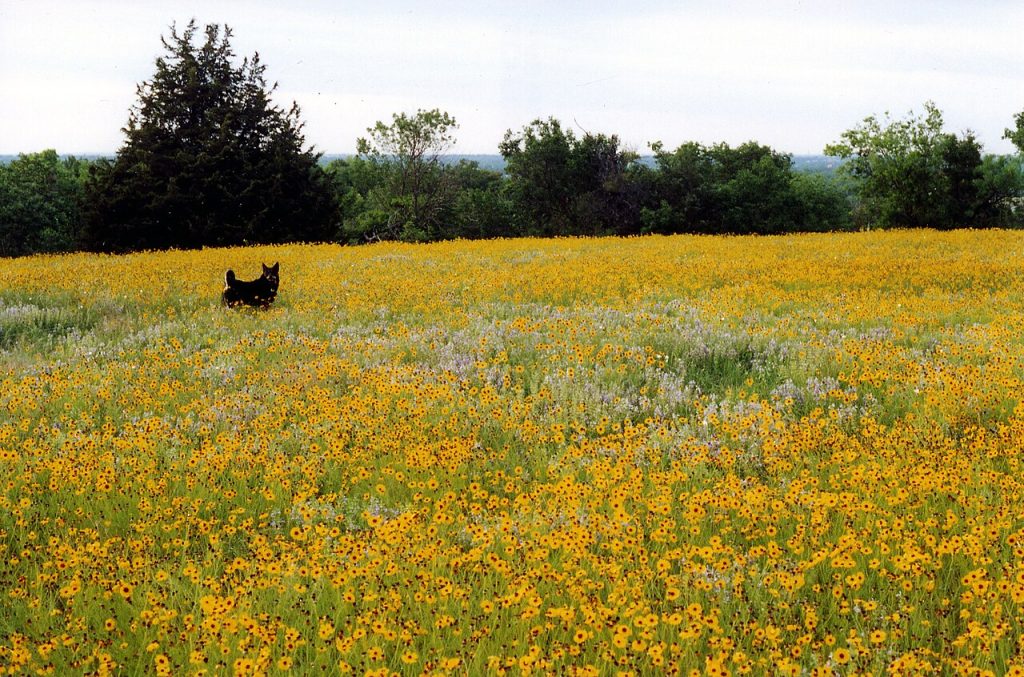
History is not always found inside buildings. Sometimes it survives in the land itself. Tandy Hills Natural Area is a rare remaining example of native prairie in Fort Worth. Friends of Tandy Hills describes it as an important remnant of the prairie landscape once common across the area.
The City of Fort Worth notes that Tandy Hills Natural Area was dedicated in 1960 and is located at 3400 View Street. Its importance comes from what it preserves. Long before streets, houses, oil activity, rail lines, and office buildings covered the region, much of North Texas included prairie ecosystems filled with grasses, wildflowers, insects, birds, and wildlife.
Walking through Tandy Hills gives visitors a glimpse of the landscape that early residents would have known. It also shows how rare that landscape has become. In a metro area shaped by constant expansion, open prairie land has become one of the most fragile historic resources.
Tandy Hills is a strong stop for anyone interested in natural history, conservation, or the original character of the Fort Worth area.
Old City Park in Dallas

E’s & D’s Adventures in Life, Dallas Heritage Park, CC BY 2.0
Old City Park, also known historically as Dallas Heritage Village, preserves historic buildings and streetscapes that reflect life in North Texas during earlier periods. It sits close to downtown Dallas, yet it feels separate from the city’s modern pace.
The site is useful because it gathers different types of historic buildings in one place. Visitors can see homes, commercial buildings, and public spaces that help explain how Dallas looked before glass towers and freeways defined the city.
Old City Park also helps connect local architecture to daily life. Buildings are not only structures. They reveal how people worked, socialized, built businesses, raised families, and organized communities.
For visitors who want a broad introduction to Dallas history, this is one of the easiest places to start. It gives context before exploring smaller historic sites across the city.
Historic Downtown McKinney

Rick Ray, McKinney, Texas, CC BY 2.0
McKinney’s historic downtown is one of the best-preserved courthouse square areas in North Texas. Although it is now filled with restaurants, shops, and events, its layout still reflects the traditional center of county life.
The square reminds visitors that county courthouses once served as anchors for trade, law, politics, and community gatherings. Farmers, merchants, lawyers, judges, families, and travelers all crossed paths in spaces like this.
McKinney’s historic buildings also show the growth of Collin County from a rural area into a major part of the metroplex. The square gives visitors a sense of continuity. Modern businesses operate inside older walls, and that mix keeps the past visible.
This is a good stop for people who enjoy history with a walkable setting. You can learn from the architecture, pause for food, and still feel the shape of an older North Texas town.
Why These Spots Matter
Hidden history spots help fill the gaps between major landmarks. They show that Dallas-Fort Worth history did not happen in one place or through one story. It developed through farms, cemeteries, neighborhoods, prairies, cabins, entertainment halls, and county squares.
They also remind visitors to slow down. A small marker, old house, restored cabin, or preserved field may hold a story that explains a whole part of the region.
Dallas-Fort Worth is often seen through growth, sports, business, highways, and new construction. These places show the older layers underneath. They reveal lives shaped by work, land, race, faith, risk, migration, and community.
Tips for Visiting Hidden History Spots
Before visiting, check current hours and tour availability. Some places are open daily, while others require guided tours or have limited access.
Wear comfortable shoes, especially for sites like Tandy Hills, Nash Farm, and Log Cabin Village. Outdoor history often involves uneven paths, dirt trails, or open fields.
Take time to read markers and signs. At many smaller sites, the most important details appear in short plaques or interpretive panels.
Final Thoughts
Dallas-Fort Worth has plenty of famous attractions, but its quieter historic places often leave the strongest impression. Freedman’s Cemetery reveals a vital part of Black Dallas history. Heritage Farmstead Museum and Nash Farm preserve the region’s agricultural past. Log Cabin Village shows frontier life in practical detail. Top O’ Hill Terrace adds a strange and fascinating Arlington story. Tandy Hills protects a piece of the prairie that came before the cities.
Together, these places make North Texas easier to understand. They show where the region came from, what changed, and what still deserves attention.